

The Allure of Gambling
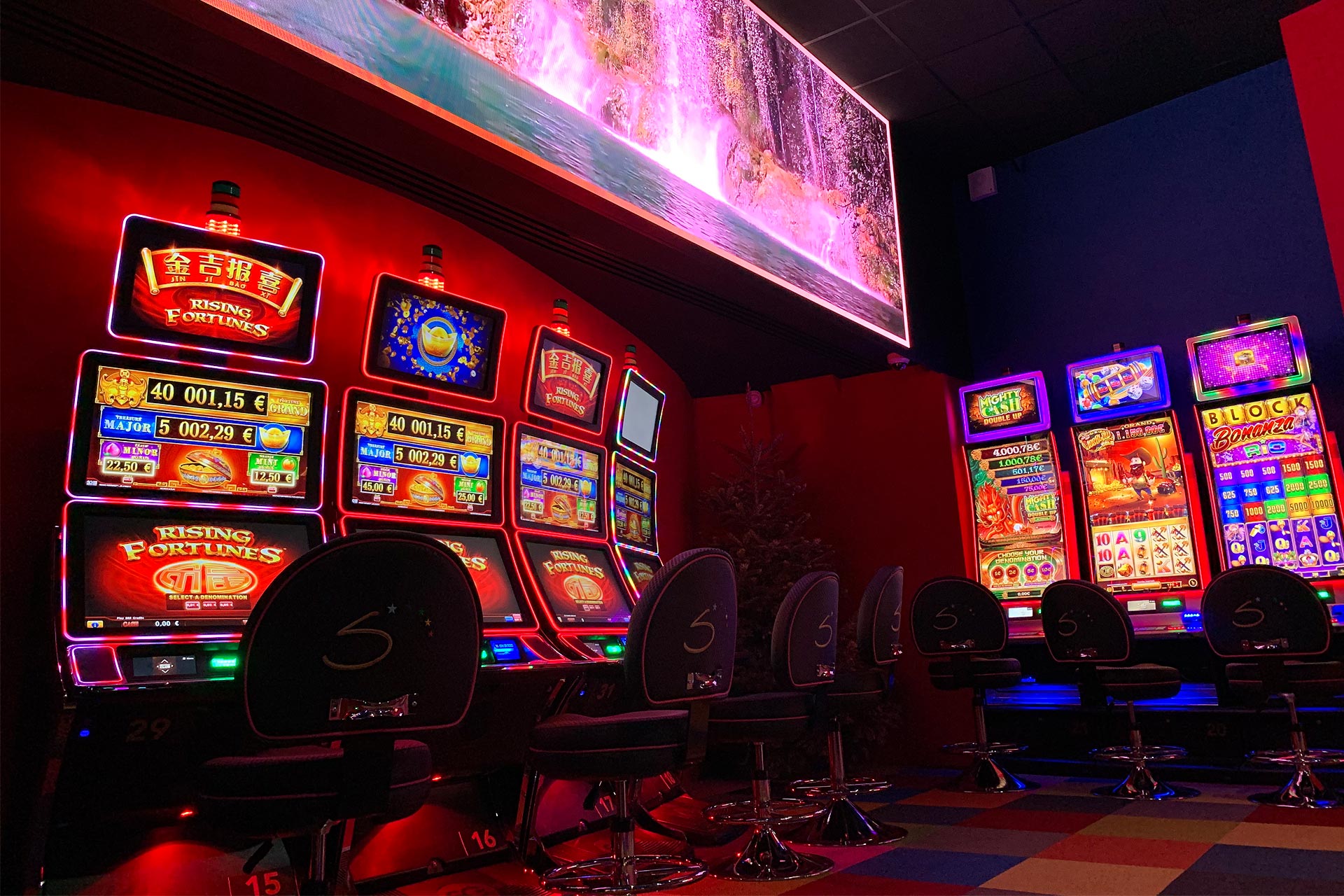
The casino environment is designed to captivate the senses, offering an exhilarating combination of lights, sounds, and the thrill of chance. This sensory overload can lead to a feeling of euphoria, which plays a significant role in why people are drawn to gambling. Casinos employ various psychological strategies to create a stimulating atmosphere that encourages players to remain engaged and hopeful about winning. Many players also seek out the best canada online casinos to recreate these sensations from the comfort of their homes.

The design of a casino is no accident; it is crafted to maximize player engagement. Each element, from the layout to the music, is intended to create a sense of excitement and anticipation. This immersive experience contributes to the gambler’s behavior, often leading them to play longer than they initially intended, driven by the hope of hitting a jackpot.
The Role of Cognitive Biases
Cognitive biases significantly influence how players approach gambling. One common bias is the “gambler’s fallacy,” where individuals believe that past outcomes will affect future results. For instance, if a roulette wheel lands on red several times in a row, a player may think that black is “due” to win next, leading them to make irrational betting decisions.
Additionally, the “illusion of control” is another psychological phenomenon that gamblers experience, where they believe they can influence the outcome through their actions, such as choosing specific numbers or using certain betting strategies. This can lead to an overestimation of their abilities and a greater likelihood of continued play, even when odds are against them.
Understanding Risk and Reward
The concepts of risk and reward are central to the psychology of winning at the casino. Players are often drawn to the potential for significant payouts, which can create a compelling narrative about taking risks. The thrill associated with the opportunity to win large sums of money can overshadow the reality of the odds, leading players to engage in behaviors they might avoid in more rational contexts.
Moreover, the immediate gratification of small wins can reinforce risky behavior. When players experience a modest payout, they may feel more emboldened to continue gambling, driven by a desire to replicate that success. This cycle of risk and reward is a psychological strategy that keeps players returning to the gaming floor.
Emotional Connections to Gambling
Emotions play a crucial role in gambling behavior. Many individuals use casinos as a form of escapism, seeking to alleviate stress or anxiety through the thrill of gambling. This emotional connection can lead to compulsive gambling, where individuals feel a strong urge to play even when it negatively impacts their lives.
Furthermore, social dynamics also impact gambling behaviors. The camaraderie formed among players can create a sense of belonging, making the gambling experience even more appealing. When individuals associate positive emotions with their time spent in casinos, they are more likely to return, reinforcing both their emotional attachment and gambling habits.
Empowering Change through Resources
The growing understanding of the psychological aspects of gambling has led to the emergence of various resources aimed at promoting responsible gambling. Organizations are increasingly focusing on providing information and support to create a healthier relationship with gambling activities. By educating players about the psychology behind their behaviors, they can make more informed decisions.
Additionally, platforms dedicated to promoting social justice and sustainability are crucial. They empower individuals to engage in discussions about responsible gambling practices and advocate for positive change within the industry. By connecting like-minded individuals, these resources play a vital role in fostering awareness and promoting accountability in gambling environments.